
Why Professional Cameras Still Beat Phone Cameras (And Why It Matters For Your Business)
It’s tempting to think, “Our phones shoot 4K… why hire a video team?” But when it comes to video that represents your brand, there’s a big difference between “good enough for a story” and “strong enough to sell.” Professional cameras, paired with a skilled crew, consistently deliver cleaner images, better sound, and a more cinematic look than phone cameras – and that translates directly into trust, credibility, and sales for your business.
At Video Solutions Pro, we love smartphones for quick behind‑the‑scenes clips, but we rely on dedicated cinema and mirrorless cameras when your reputation is on the line.
1. Sensor Size: More Detail, Better In Low Light
The single biggest advantage of a Experienced camera is the size of its image sensor. A larger sensor gathers more light, which means cleaner, sharper footage with less grain, especially indoors or in dim spaces.
What this means for your business:
- Clearer interviews in offices, conference rooms, and showrooms without harsh added lighting.
- Richer color and smoother gradients in brand colors, logos, and product shots.
- Footage that holds up on big screens, trade shows, and websites—without falling apart when viewed full-screen.
- Footage that captures codecs that allow for multiple formats, shot once, instead of multiple takes
Phone cameras use heavy software tricks to “brighten” dark scenes. That can be fine for social posts, but it often introduces noise, muddy colors, and an artificial look that undercuts a premium brand.
2. Interchangeable Lenses: Shots That Match Your Story
Professional cameras can swap lenses to match the story and setting: wide lenses for spacious interiors, telephoto for flattering portraits, macro for product detail, and specialty lenses for unique looks.
How this helps your videos:
- More flattering people shots with the right focal length, reducing distortion and making faces look natural.
- Beautiful background separation (real, optical blur) that keeps attention on your subject, not the clutter behind them.
- Detailed product close‑ups that highlight texture, craftsmanship, and fine print—perfect for demos and explainer videos.
Phones now include multiple lenses, but they are still limited in focal length range, low‑light performance, and depth‑of‑field control compared with dedicated camera lenses.
3. True Depth‑Of‑Field Control vs “Portrait Mode”
That creamy, cinematic background blur that makes interviews and testimonials feel high‑end comes from optics, not filters. Professional cameras achieve shallow depth of field naturally, using large sensors and fast lenses.
Why that matters:
- Your viewer’s eye is drawn straight to the speaker or product.
- The image feels more “cinematic” and intentional, not like a casual video call.
- Fine details—like hair edges, glasses, and product outlines—render cleanly, without the halo and cut‑out artifacts that phone “portrait” modes often create.
For brand films, testimonials, and executive messages, that controlled, intentional look is a subtle but powerful trust signal.
4. Dynamic Range: Handling Harsh Light With Grace
Dynamic range is a camera’s ability to see detail in both bright and dark areas at the same time. Professional cameras record a much wider range, which keeps skies from blowing out white and faces from dropping into shadow.
In real‑world business shoots, that means:
- Windows, signage, and screens stay readable instead of becoming white rectangles.
- Skin tones look natural under mixed office lighting, shop lighting, or event lighting.
- Outdoor shots at noon or at sunset retain rich color and detail.
Phones often create punchy images by aggressively boosting contrast and sharpening, but that can crush shadows and clip highlights—fine on a phone screen, less flattering on your website or in an ad campaign.
5. Motion Handling: Smooth Action, No Weird Artifacts
Professional cameras offer higher bitrates, more frame‑rate options, and better autofocus and tracking, which is especially important for movement—walking tours, manufacturing processes, sports, or events.
What you gain:
- Fluid slow‑motion to highlight key actions (machinery in motion, product pours, service steps).
- Reliable focus tracking as your subject walks, turns, or demonstrates something.
- Fewer rolling‑shutter “jello” effects and motion artifacts during quick pans or fast movement.
Phones can capture decent slow‑motion clips, but they’re more prone to motion blur, focus hunting, and compression artifacts when the scene gets complex.
6. Professional Audio: Half Of Great Video
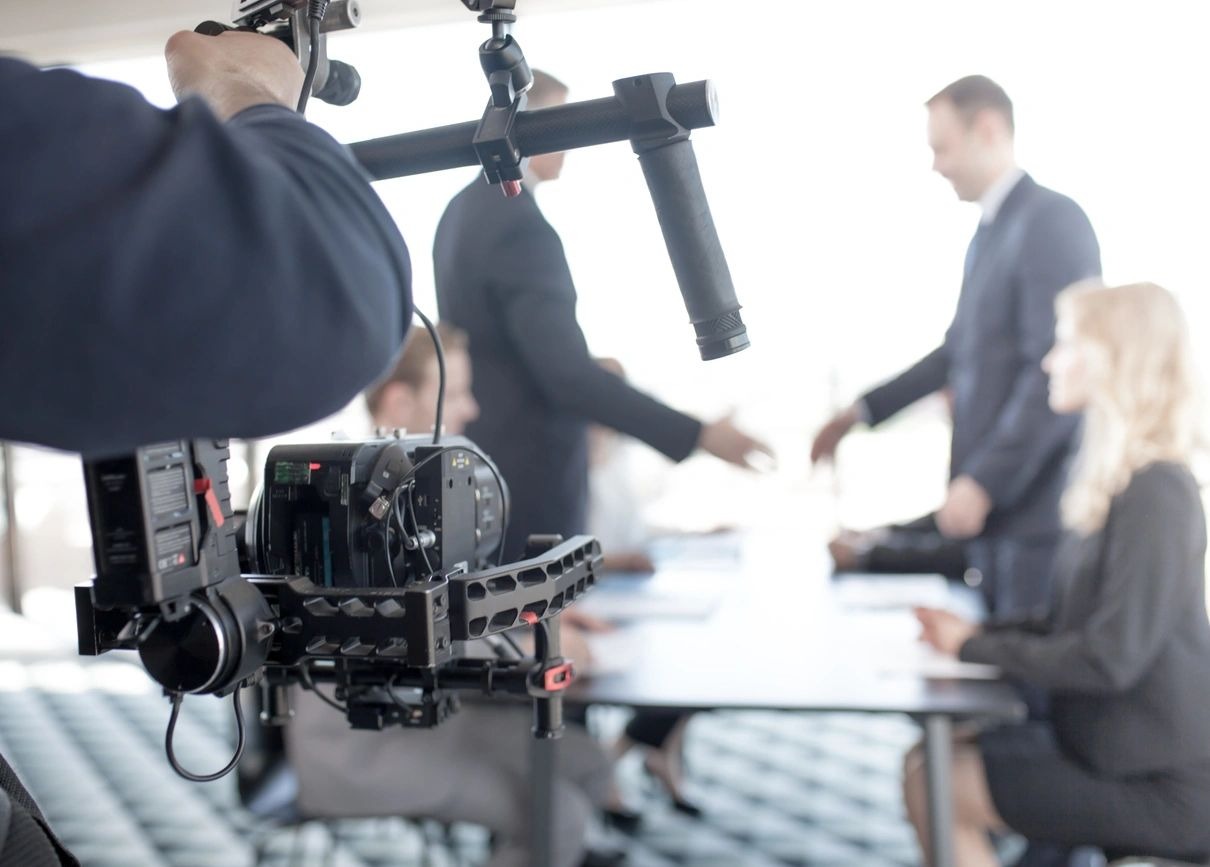
The camera is only half the equation—sound is the other half. Professional cameras integrate seamlessly with external microphones, recorders, and audio mixers to capture clean, clear sound.
With a Experienced setup, you get:
- Lav mics for crisp dialogue without room echo.
- Directional mics to focus on the speaker and reduce background noise in busy spaces.
- Proper monitoring so issues are caught on set, not discovered after the fact.
Phone mics sit inches from your hand, not your subject. They pick up room echo, traffic, HVAC, and every bump against the device—problems that quickly make even sharp video feel amateur.
7. Manual Control And Consistency
Professional cameras are designed to give filmmakers full control over exposure, focus, color profiles, and more. That control is what lets a team create a repeatable “look” that matches your brand.
Benefits for your marketing:
- Consistent exposure and color across multiple scenes, locations, and shoot days.
- Intentional choices: freezing action vs showing motion blur, bright and energetic vs moody and dramatic.
- Footage that grades well in post‑production, so your logo, brand colors, and graphics sit naturally on top.
Phones are designed for convenience. They constantly auto‑adjust exposure and color, which is helpful for casual use but makes matching shots in an edited video much harder.
8. File Quality For Editing, Graphics, And Future Use
Professional cameras record higher‑quality video files with more information: higher bitrates, better color sampling, and often log or RAW formats. That extra data gives editors more flexibility.
This matters when you:
- Add titles, animations, and graphics—edges stay clean and text remains crisp.
- Color‑correct footage to match branding or adjust to different lighting conditions.
- Reuse footage in future campaigns, different aspect ratios, or different platforms without noticeable quality loss.
Phone footage is heavily compressed and “baked in,” which limits how far it can be pushed in post before artifacts, banding, and color issues appear.
9. Brand Perception: What Your Video Says About You
Ultimately, your audience may not know why a Experienced video looks better—but they feel it. Clean images, flattering lighting, clear sound, and intentional composition communicate that your company is established, detail‑oriented, and trustworthy.
When you rely solely on phone video for important brand pieces:
- On‑screen talent may look less confident and less polished.
- Visual distractions and audio issues pull attention away from your message.
- Viewers subconsciously associate “quick and rough” production with “quick and rough” service.
There’s absolutely a place for phone content—live stories, quick updates, and casual behind‑the‑scenes moments. For core brand videos, website explainers, high‑stakes campaigns, and evergreen content, Experienced cameras (and the team operating them) are still the benchmark.
When To Use Each: Phones vs. Pro Cameras
You can position this clearly for your visitors by explaining when each tool shines:
Use CasePhone Camera Is Fine When…Professional Camera Is Essential When…Social media stories & quick postsYou need speed, spontaneity, and informal behind‑the‑scenes feel.You’re running paid ads or hero content that anchors a campaign.Internal updatesThe goal is simply to inform a small internal audience.You’re training teams company‑wide and need clarity and longevity.Website home/landing page videoRarely ideal.This is your first impression and must look polished and on‑brand.Product demos and explainersVery simple demos for social posts.You need fine detail, multiple angles, and long‑term reuse.Testimonials and brand storiesQuick selfie‑style snippets.Flagship stories meant to build deep trust.
How Video Solutions Pro Puts This Into Practice
At Video Solutions Pro, we blend the flexibility of on‑the‑go content with the power of Experienced production:
- We use Experienced cinema and mirrorless cameras, lenses, lighting, and audio so your flagship videos look and sound exceptional on every screen.
- We design each shot to support your message, not just “capture what’s happening.”
- We can incorporate your own phone footage when appropriate, but we anchor campaigns with Experiencedly shot material for maximum impact.
If you’re considering a new brand video, product demo, or training series and wondering whether a phone is enough, we’re happy to evaluate your goals and recommend the right approach.